Why Do I Look Older Than My Age?
Looking older than your chronological age usually comes from several visible cues working together—not one flaw. Facial structure, sun exposure, sleep, stress, expression, hairstyle, lighting and camera angle can all change how old a face appears.
The Short Answer
If you keep asking, “Why do I look older than my age?”, start by separating permanent features from temporary presentation. Bone structure, facial fat distribution and inherited skin characteristics are relatively stable. Tired eyes, dryness, tense expression, flat hair, harsh light and a close phone camera can change from day to day.
A single selfie is not a reliable age test. Compare several photos taken at eye level in soft daylight with a relaxed expression. If the age impression changes a lot, presentation is probably doing more work than your actual face. If it stays consistent, focus on long-term skin protection, sleep, styling and realistic expectations rather than chasing one quick fix.
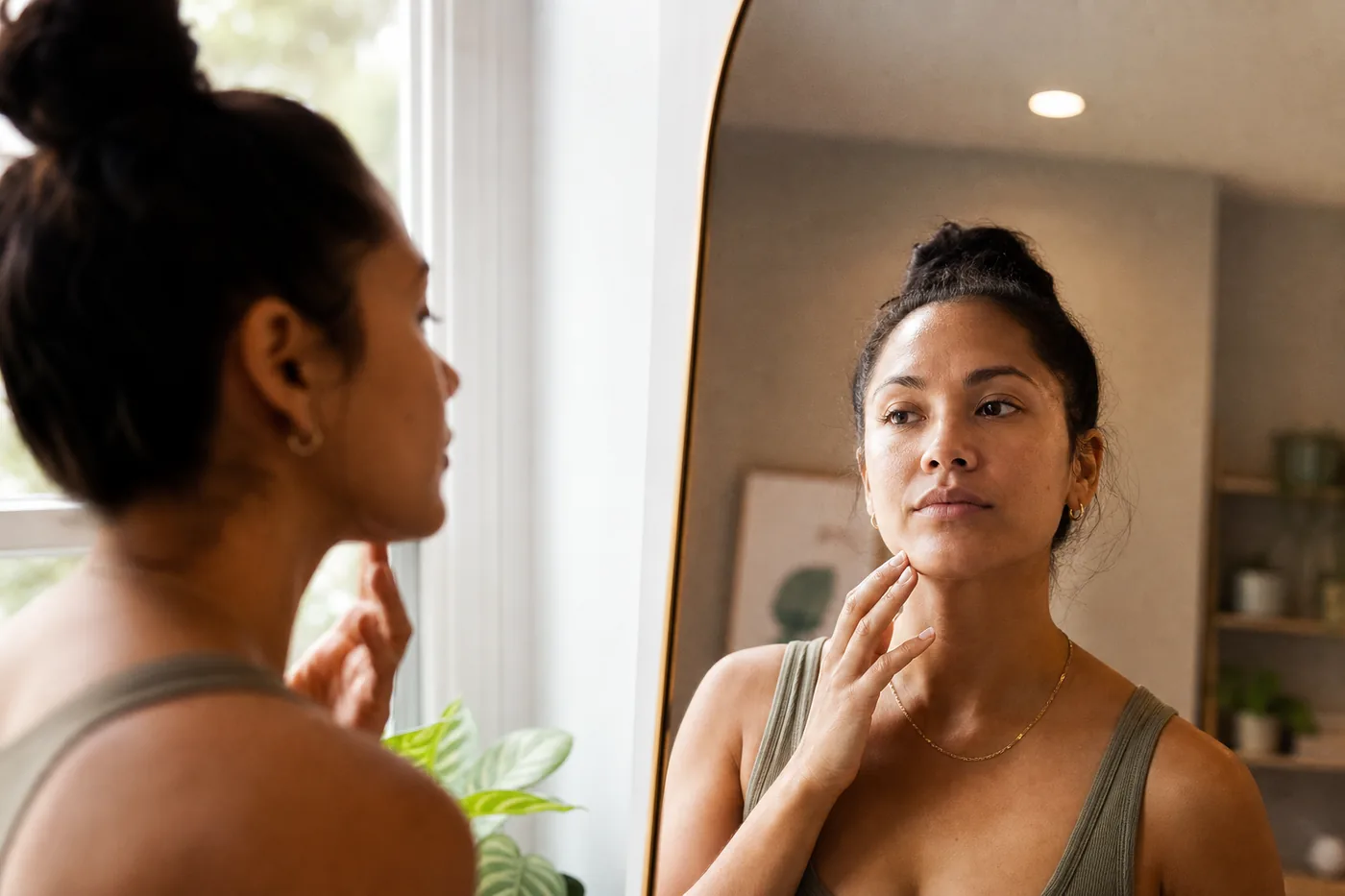
10 Things That Can Make a Face Look Older
Age perception is a pattern-recognition shortcut. People read several cues at once, so small factors can add up.
| Visible cue | Why it can read older | What to check first |
|---|---|---|
| Harsh sun and uneven tone | Contrast, spots and rough texture can make skin look more weathered. | Use daily sun protection and avoid judging your face under direct overhead light. |
| Tired or shadowed eyes | Dark circles, puffiness and a low brow can create a fatigued expression. | Compare after normal sleep and use soft front-facing light. |
| Dry or dehydrated-looking skin | Fine surface lines and dullness become more visible when skin lacks moisture. | Use a gentle routine and assess over several days, not one morning. |
| Low facial volume or strong bone structure | Deep-set eyes, a lean face or pronounced folds can be interpreted as mature. | Treat this as normal anatomy; adjust light, hair and camera distance first. |
| Tense expression | A furrowed brow, tight mouth or squint adds temporary lines and severity. | Relax your jaw and compare a neutral expression with a natural smile. |
| Flat, severe or dated styling | Hair shape, color contrast, glasses and makeup can reinforce an older visual category. | Test softer face framing, balanced volume and current proportions. |
| Close phone-camera distortion | Wide-angle lenses exaggerate the center of the face and deepen nearby shadows. | Move the camera farther away, use eye level and crop afterward. |
| Overhead or side lighting | Strong directional light deepens under-eye, nose and mouth shadows. | Turn toward a window or use a large diffused light source. |
| Stress, smoking or poor recovery | Long-term lifestyle strain may affect tone, texture and how rested the face looks. | Prioritize sleep, hydration and professional help for habits you want to change. |
| Comparison bias | Filters, makeup, procedures and curated photos can reset your idea of normal aging. | Compare yourself with unfiltered, similarly lit photos rather than social feeds. |
How to Check What Is Actually Making You Look Older
Change one variable at a time. This is more useful than buying several products or changing your hairstyle at once.
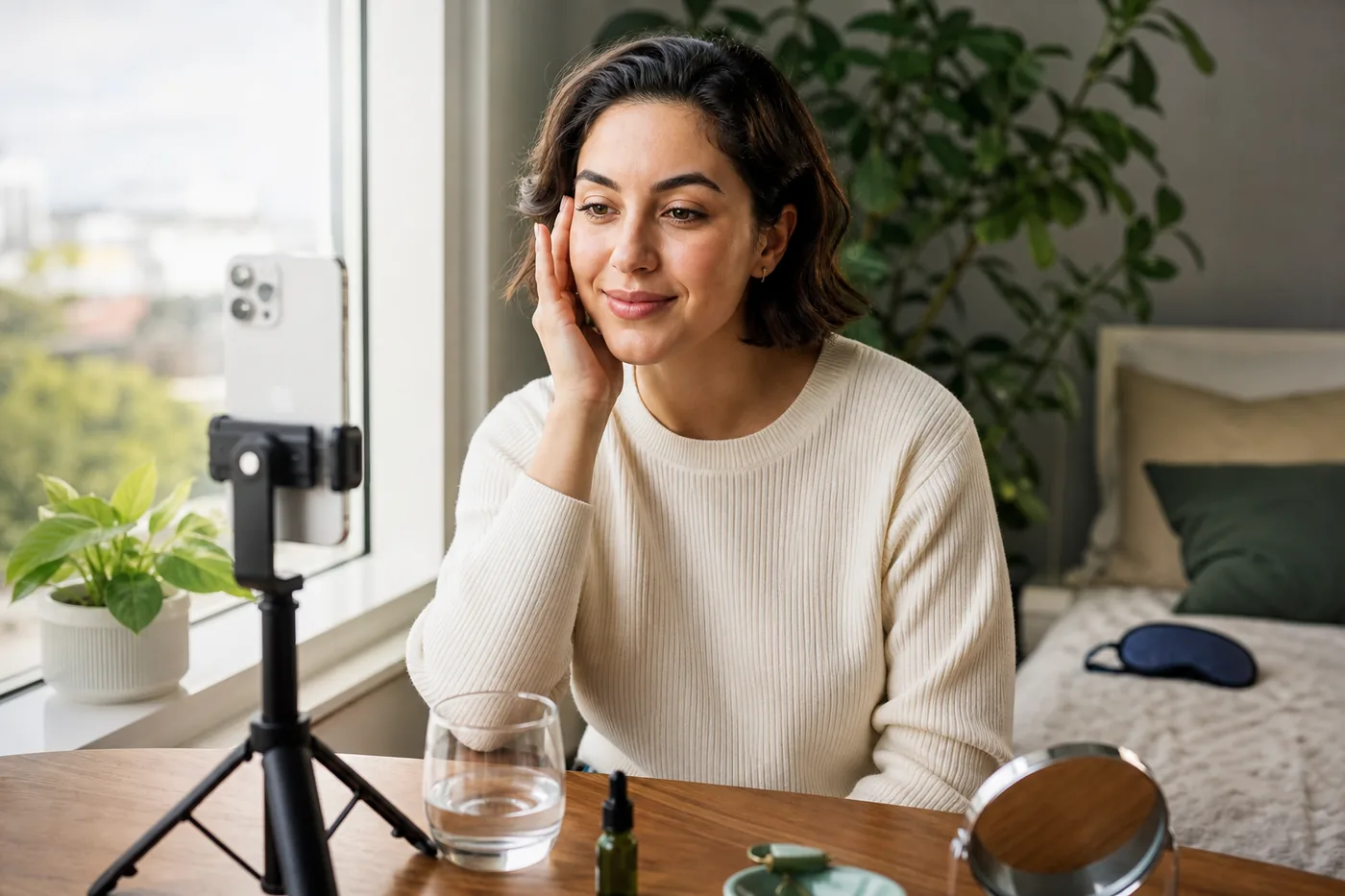
Standardize the photo
Take a portrait at eye level, about an arm and a half away, in soft daylight. Avoid beauty filters and extreme portrait modes.
Compare expression
Use one relaxed neutral photo and one natural smile. A tense mouth or squint can add more apparent age than skin texture.
Compare lighting
Repeat the photo under overhead light and near a window. If the result changes sharply, shadows are the main cause.
Review hair and contrast
Check whether flat roots, a severe part, very dark color or heavy frames pull attention toward mature cues.
Track the stable pattern
Use photos from several weeks, not repeated selfies from one anxious session. Look for cues that remain consistent.
Use AI only as a comparison
An AI age guess can compare controlled photos, but it is not a medical measurement or a verdict on attractiveness.
What You Can Change—and What You Should Not Blame
A useful plan separates controllable presentation from normal anatomy.
Usually controllable
Lighting, camera distance, sleep routine, sun protection, hydration, hairstyle, glasses, makeup and facial tension.
Partly controllable
Skin texture, pigmentation, stress load and long-term habits often improve gradually rather than overnight.
Mostly structural
Bone shape, eye depth, facial proportions and inherited fat distribution are not defects and do not need to be hidden.
Worth professional advice
A sudden facial change, new swelling, one-sided weakness, persistent rash or unexplained weight change should not be treated as cosmetic.
Can an AI Age Guesser Tell Why You Look Older?
It can show whether different photos receive different apparent-age estimates, which is useful for testing light, angle, expression and styling. It cannot diagnose skin conditions, measure biological age or explain a health change.
For a fair test, use the same camera, distance and background. Change only one factor. If softer light lowers the estimate, you learned something practical about the photo—not your worth or true age.
If the result worries you, step away from repeated testing. Apparent age is subjective, and confidence, movement and conversation often change real-life impressions more than a frozen image does.
Health and Skin References
- American Academy of Dermatology: premature skin aging - practical guidance on sun protection and lifestyle factors
- Cleveland Clinic: photoaging - overview of cumulative sun-related skin changes
Related Apparent-Age Guides and Tools
Looking Older Than Your Age FAQ
Test the Photo, Not Your Self-Worth
Compare controlled portraits with AI Age Guesser to see how light, angle and expression affect apparent age.
Try AI Age Guesser