How to Make Yourself Look Older: Safe Style, Photo, and AI Tips
The easiest way to look older is usually not to change your face. Use more structured proportions, calmer styling, a confident posture, and a controlled photo setup so you appear more mature without creating an exaggerated or misleading result.
The short answer
If you are asking how to make yourself look older, start with maturity cues that are easy to reverse: cleaner lines in clothing, a deliberate hairstyle, slightly deeper or more neutral colors, and an upright but relaxed posture. These changes alter the overall impression without asking you to damage your skin, hide your identity, or copy a specific age.
The right approach depends on context. Looking older for a professional portrait is different from creating an older character, making a social photo feel more grown-up, or previewing an AI age progression. Use the smallest change that serves your goal, compare the result in neutral light, and avoid age-verification or impersonation use cases.
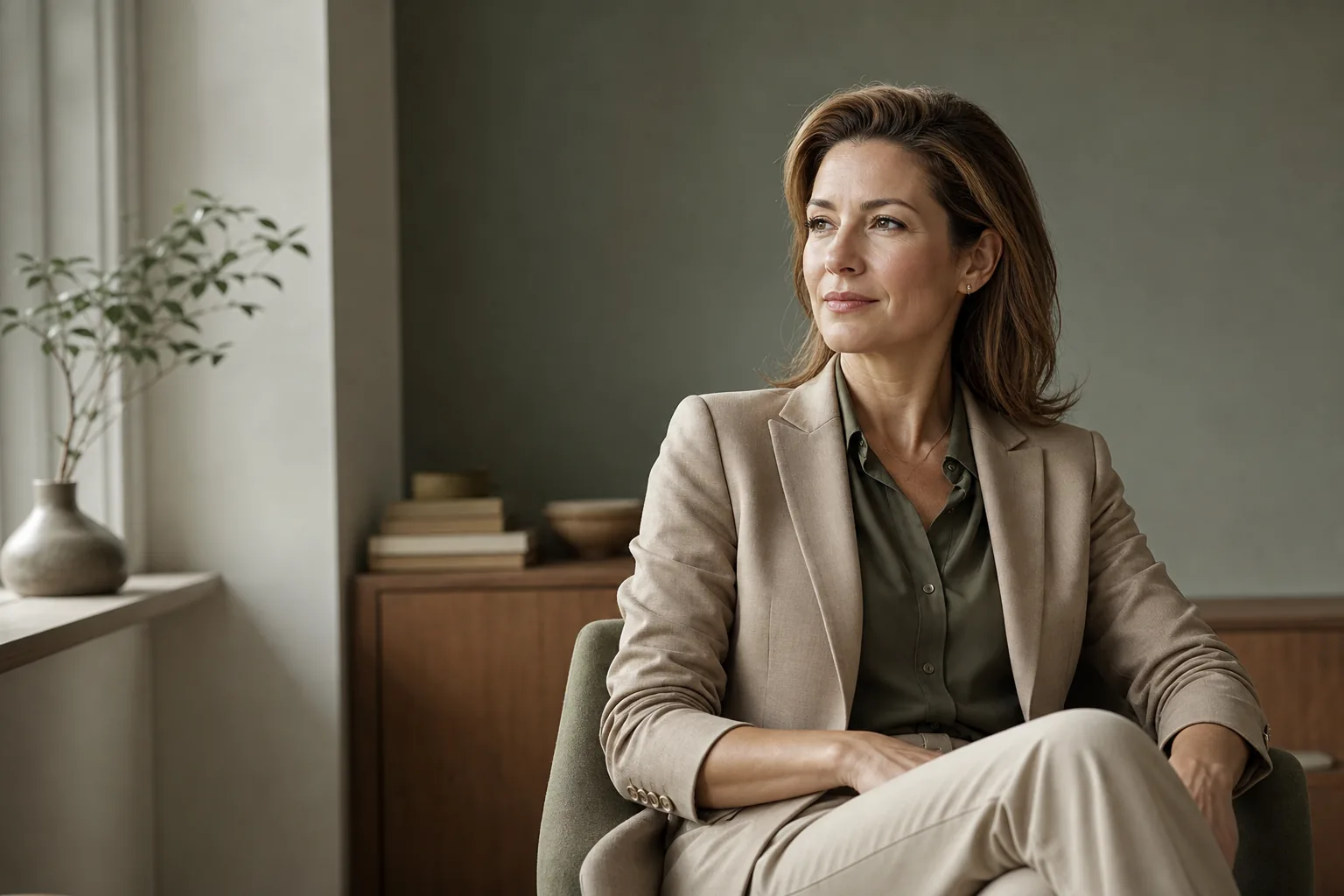
5 practical ways to look older
Test one change at a time so you can tell which cue is helping. A mature look should still feel like you, not like a costume or an age claim.
Choose structure over novelty
Start with garments that hold their shape: a jacket, collared shirt, straight-leg trousers, a simple knit, or a clean coat. Moderate structure creates a more deliberate silhouette than oversized graphics, very casual sportswear, or several trend pieces worn together. Fit matters more than price. Make sure the shoulders, sleeves, and waist sit comfortably rather than looking stiff.
Use calmer color and contrast
Neutral or deeper colors can read as more mature when they are balanced with a clean fit. Try navy, charcoal, olive, brown, cream, or muted blue instead of relying on loud contrast. This is not a rule that older people must dress plainly; it is a simple way to reduce visual noise when you want the face and expression to feel more composed.
Make hair and grooming intentional
A purposeful shape often looks older than a style that appears accidental. Keep the outline neat, add controlled volume where it suits your face, and choose facial hair or makeup that defines rather than disguises. For makeup, slightly stronger brow definition, a balanced lip or eye shape, and restrained contour can add maturity. Remove the look if it feels heavy, uncomfortable, or unlike you.
Adjust posture and expression
Stand tall without locking your knees, lower your shoulders, keep your chin level, and let your expression settle before taking a photo. A relaxed jaw and steady eye contact often read as more confident than a forced serious face. Slowing down your gestures and speaking clearly can also change the impression you give in person, but do not imitate an accent or personality that is not yours.
Control the photo before changing the face
For a more mature portrait, place the camera at eye level, move it farther away, use soft front or side light, and keep the frame simple. Very close wide-angle selfies, overhead light, extreme smoothing, and exaggerated expressions can make any face look less natural. If you need a creative older version rather than a real-life styling change, use an AI age filter as a clearly labeled simulation.
Mature cues to test first
Use the table as a small experiment plan. None of these changes is a requirement for looking older; they are presentation choices you can keep, soften, or remove.
| Change | Why it can read older | Low-risk test |
|---|---|---|
| Structured jacket or shirt | Clear shoulders and edges create a more intentional silhouette. | Compare one fitted layer with your usual relaxed outfit in the same light. |
| Simple, balanced color palette | Lower visual noise can make the face and expression feel more composed. | Use two neutral colors and one small accent instead of several bright pieces. |
| Defined hair shape or grooming | A deliberate outline often suggests planning and maturity. | Change the part, trim the edges, or add controlled volume for one day. |
| Subtle makeup definition | Brows, eyes, or lips with balanced definition can add visual presence. | Add one restrained element rather than heavy contour or a full transformation. |
| Upright relaxed posture | Steady posture and a level gaze can read as confidence rather than youthfulness. | Take two photos with the same outfit, changing posture only. |
| Eye-level camera and soft light | Neutral perspective prevents distortion and lets the styling carry the impression. | Move the phone back, use a stand, and compare window light with overhead light. |
How to look older in a photo without over-editing
Photo intent is slightly different from real-life intent. A portrait can look more mature because of camera distance, lens perspective, shadows, clothing, and expression even when the person has not changed. Standardize those variables before deciding that you need a stronger filter.
If your goal is to make a photo look older, use a clear single-person portrait and a moderate target age. The dedicated photo guide explains input quality and age strength in more detail, while the AI Age Guesser can provide an apparent-age baseline for creative planning.
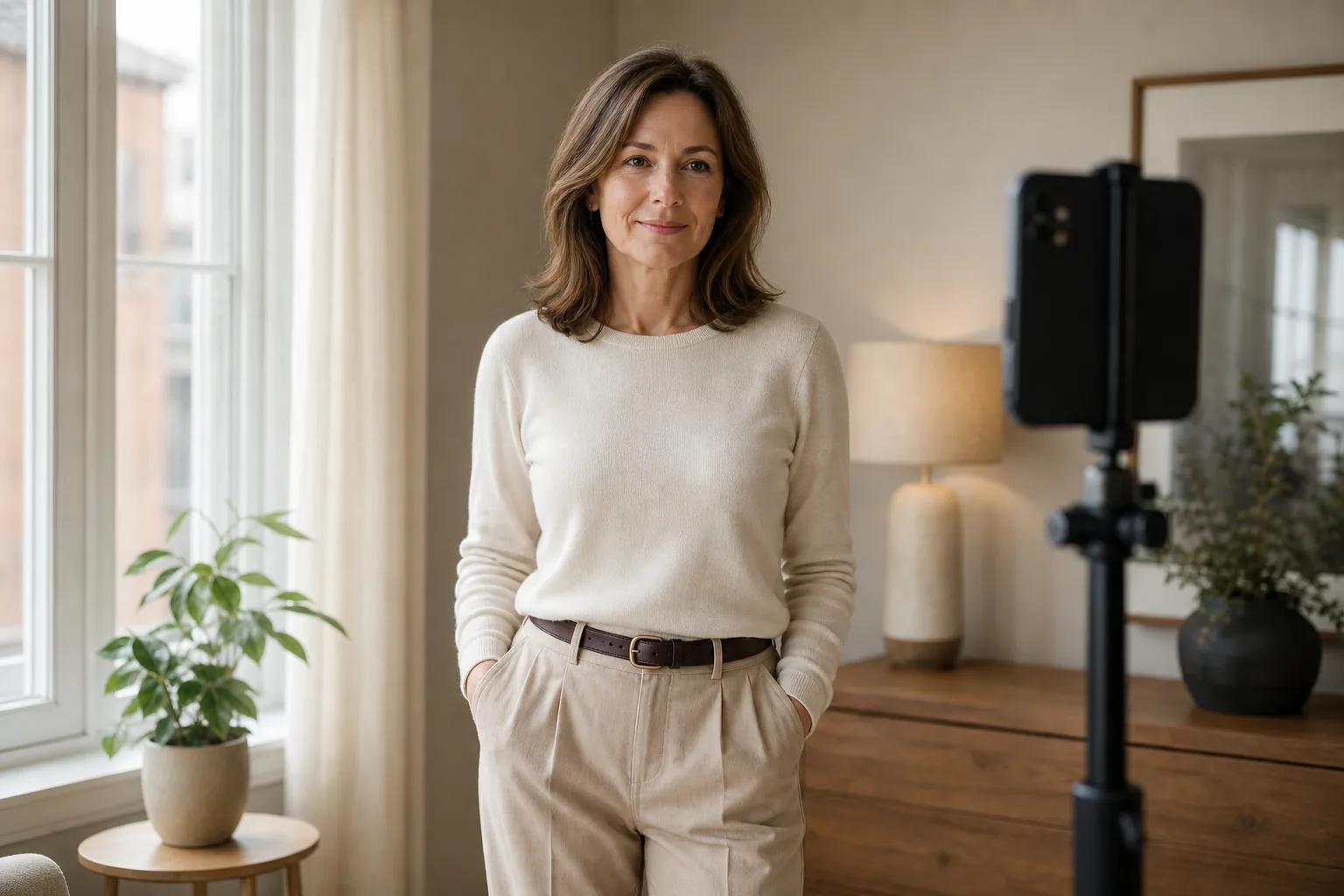
Move the camera back
Close phone cameras can exaggerate the center of the face. Step back and crop later so the nose, cheeks, and jaw are not changed by wide-angle perspective.
Keep the light broad
A large window or diffused light gives a clearer comparison than a small overhead source that creates deep under-eye and mouth shadows.
Use a calm expression
A relaxed neutral expression or natural half-smile usually looks more credible than an exaggerated serious face designed to seem older.
Label AI results honestly
An AI-aged portrait is a creative simulation. Keep it separate from real age claims, identity documents, access control, or statements about how someone will actually age.
What not to do
Looking more mature should never require unsafe behavior or deception. Keep the goal limited to personal styling, creative work, or an honest portrait choice.
When an AI age preview makes sense
Use AI when you want a creative preview for a character, a personal curiosity project, a social concept, or a before-and-after experiment. Start with a clear portrait, choose a moderate age shift, and judge the output for identity preservation, lighting consistency, and unwanted changes to hair or background. The result should be treated as an edited image, not a forecast.
AI Age Filter offers separate workflows for making a portrait older, checking apparent age, and creating a broader age progression. Choose the tool that matches the task: use Make Me Older AI for a direct older-looking edit, AI Age Guesser for visible-age planning, or Age Progression Photo for a future-age comparison.
Background references
These references support the page's cautious notes about skin aging, sun exposure, and AI age-editing limits. Styling suggestions remain practical presentation advice rather than medical treatment.
- National Institute on Aging: Skin Care and Aging — Background on normal skin changes and sun protection as people age.
- Age Progression and Regression with Conditional Adversarial Autoencoders — Research context for AI age progression and identity-preserving face edits.
Related age and appearance guides
How to Make Yourself Look Older FAQ
Want to Preview an Older Look?
Use a clear portrait, choose a reasonable target age, and treat the result as a creative simulation rather than a prediction or identity record.
Open Make Me Older AI