
Why Gen Z Looks Older Than Millennials: Perception vs Reality
The viral comparison is better explained by styling, camera context, selective examples and changing beauty norms than by proof that an entire generation is biologically aging faster.
The short answer
Why does Gen Z look older than Millennials in so many posts? Usually because viewers are comparing different kinds of images, not matched groups of people. A sharply contoured close-up of a 23-year-old celebrity under event lighting may be placed beside a softly lit casual photo of a 35-year-old. Hair, facial hair, fashion, expression, lens distance and editing can move apparent age in either direction before skin aging is even considered.
There is no good evidence that every member of Gen Z is aging faster than Millennials. Gen Z covers millions of people with different genetics, climates, jobs and habits. The sensible conclusion is narrower: some current presentation trends can read as mature, while online selection bias repeatedly shows the examples that make the contrast look dramatic. Perceived age is not the same as chronological age or biological age.
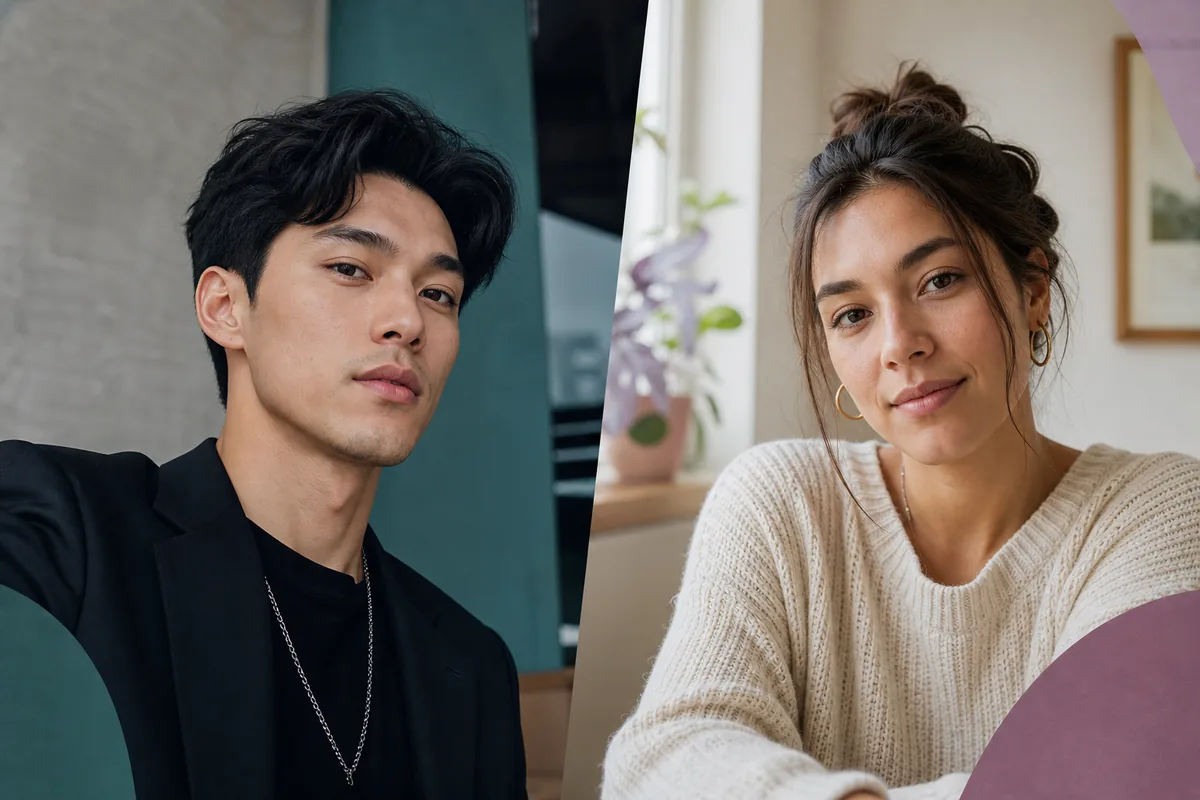
Does Gen Z actually age faster than Millennials?
The phrase “Gen Z is aging faster” blends three separate ideas: looking mature in one image, having visible skin changes, and biological aging. They are not interchangeable. A person can look older in a formal portrait and younger in daylight five minutes later. A skin habit may affect long-term texture without proving anything about a whole generation.
Research on perceived facial age does support familiar individual factors such as cumulative sun exposure and smoking. It does not establish a simple Gen Z-versus-Millennial rule. Treat the generational comparison as a cultural observation that needs controlled evidence, not as a diagnosis.
| What people notice | What it may mean | What it does not prove |
|---|---|---|
| A young creator looks older in a video | Facial hair, makeup, expression, angle or styling may signal maturity | One creator cannot represent a generation |
| A Millennial celebrity looks unusually young | Professional light, makeup, procedures, editing and image selection may reduce age cues | A curated celebrity photo is not a control group |
| Fine lines or dry texture show on camera | Harsh light, high resolution, irritation or sun exposure can increase visible texture | A close-up cannot measure biological age |
| The comparison repeats across social feeds | Engaging examples are copied because they confirm the trend | Repetition is not representative sampling |
7 reasons Gen Z can look older online
These factors can overlap. None applies to every Gen Z person, and most can also affect Millennials or any other age group.
1. Mature makeup and grooming cues
Strong contour, sharply defined brows, matte coverage, overlined lips, facial hair and highly finished grooming can resemble the visual codes used for established adult celebrities. The effect is a style signal, not proof that the skin itself has aged.
2. Fashion borrows older status symbols
Tailored suits, dark neutral palettes, vintage silhouettes, luxury accessories and polished “old money” styling can make a young adult read as socially older. By contrast, casual Millennial staples may still be coded as youthful by viewers who remember them from adolescence.
3. Close cameras exaggerate age cues
Phone cameras used at short distance can alter facial proportions and deepen nearby shadows. Hard overhead light emphasizes under-eye hollows and texture. A longer camera distance, eye-level framing and soft front light often change the estimate without changing the person.
4. Social feeds select extremes
Ordinary examples rarely go viral. A surprising age reveal creates comments, shares and reaction videos, so algorithms keep serving similar cases. Viewers then remember the extreme examples and overlook the many people who look exactly their age.
5. Celebrity comparisons are mismatched
A red-carpet frame of one person may be compared with a studio portrait, filtered selfie or promotional image of another. Differences in makeup teams, procedures, retouching, focal length and publication choice can overwhelm the actual age gap.
6. Skin habits matter individually
Sun exposure and smoking are established contributors to visible skin aging. Irritating routines can also make skin look temporarily dry or inflamed. These are individual risk factors, not a basis for declaring that everyone born in a certain period is aging faster.
7. The meaning of “young” keeps changing
Millennials are now familiar adults in entertainment, work and online culture. Familiarity, nostalgia and improved styling can make their current look feel younger than expected. At the same time, Gen Z is entering adult roles, so viewers are adjusting an outdated mental image of the generation as teenagers.
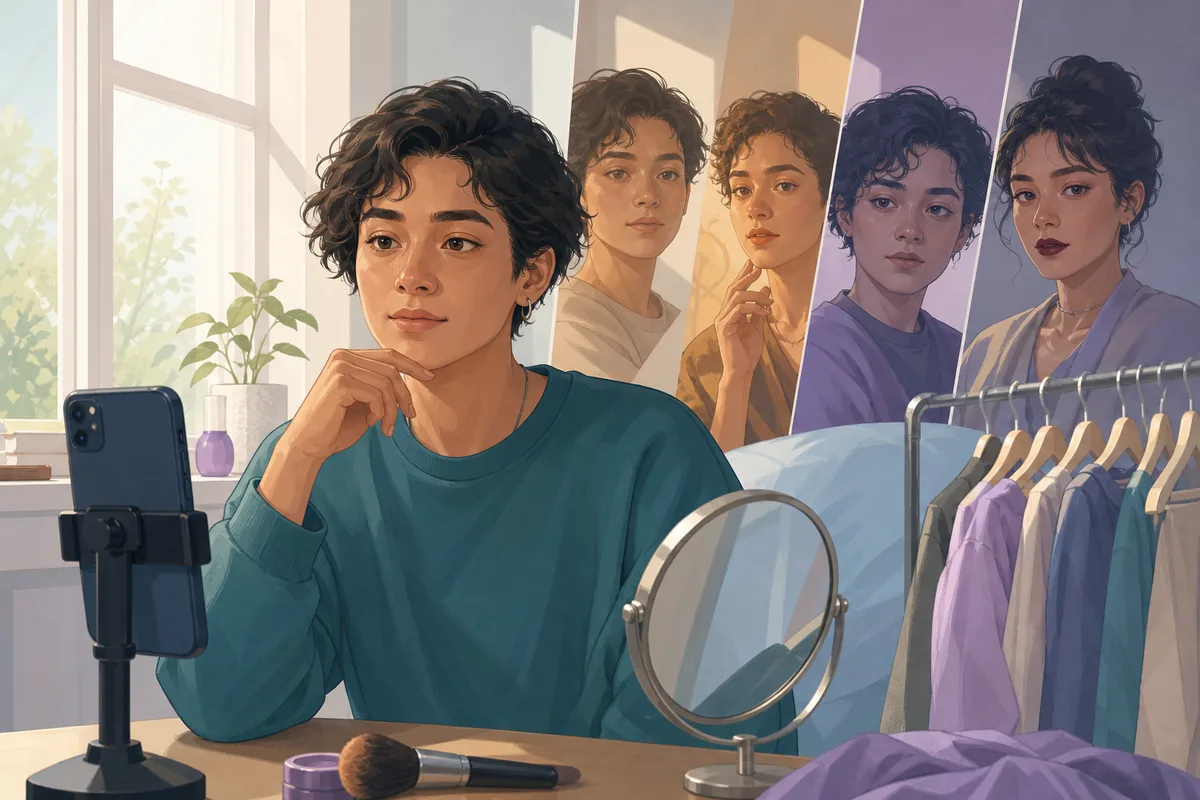
How to compare apparent age without fooling yourself
If you want to test the claim, control the photo conditions instead of collecting dramatic celebrity pairs.
Use age-matched groups
Compare many people at the same chronological age, not one unusually youthful Millennial with one unusually mature-looking Gen Z creator.
Match light and camera distance
Use soft front light, eye-level framing and similar focal length. Avoid comparing a close phone selfie with a professionally photographed portrait.
Reduce styling differences
Use similar expressions and ordinary clothing, then repeat with each person’s preferred styling. This reveals how much of the judgment comes from presentation.
Hide the generation label
Ask viewers for an age range before telling them which person is Gen Z or Millennial. Labels can prime the answer and turn a visual estimate into a stereotype.
Report variation, not a winner
A useful result shows the spread of estimates and uncertainty. It should not rank one generation as more attractive, healthier or better at aging.
What is useful—and what to ignore
The useful part of the trend is learning how apparent age works. Viewers combine skin texture with hair, clothes, expression, posture and photo context. That is why a single face can receive different age estimates across images. The unhelpful part is turning a small, selected set of online examples into a claim about millions of bodies.
If your own photos make you look older than expected, start with reversible variables: step back from the camera, face a window, relax your expression and compare lighter versus heavier styling. For long-term skin health, follow evidence-based sun protection and avoid tobacco. Persistent irritation or a sudden physical change belongs with a qualified health professional, not a generational trend video.
- Treat “Gen Z ages faster” as an unproven generalization.
- Separate biological aging from how a portrait is styled and photographed.
- Do not infer health, habits or attractiveness from someone’s apparent age.
- Use an AI age estimate only as a creative comparison, never as identity or health evidence.
Sources and further reading
- PubMed: Lifestyle and youthful looks — research on individual lifestyle factors and perceived facial age
- American Academy of Dermatology: premature skin aging — current guidance on sun exposure and premature skin aging
- RealSelf: Why Gen Z looks older — expert commentary on the online trend and presentation factors
Related age-perception guides
Frequently asked questions
Test photo context, not generational stereotypes
Compare consistent portraits to see how light, angle and styling influence apparent-age estimates.
Try the AI Age Guesser